Best Practices for Competitive Rummy Success
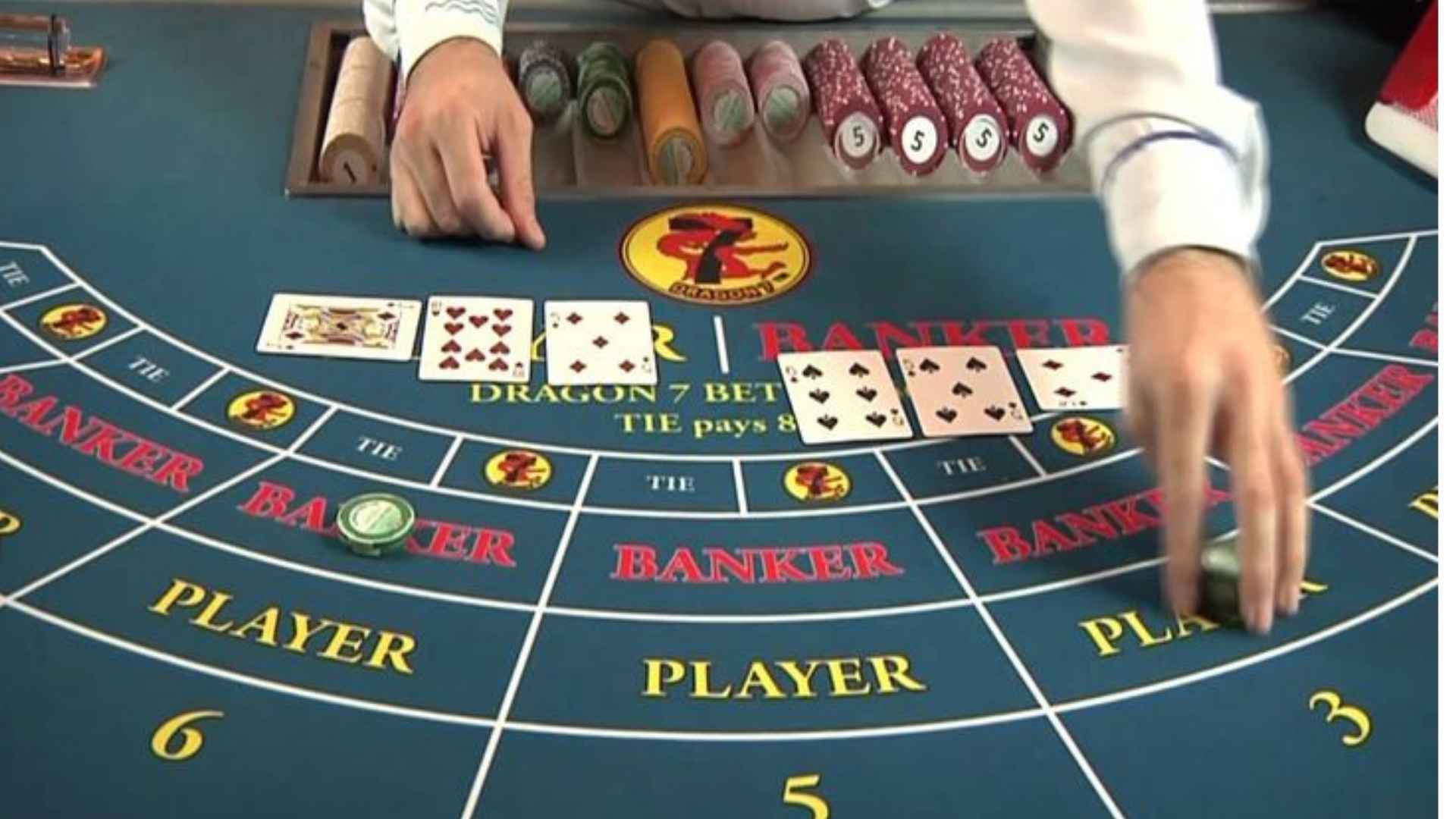
Entering the arena of competitive card gaming requires a strategic shift from casual, kitchen-table play to highly analytical decision-making. To succeed consistently in rummy tournaments, players must master several advanced techniques that go beyond basic card-matching rules. Developing a systematic approach to card tracking, risk mitigation, and psychological composure will elevate your gameplay to professional tournament standards.
Advanced Card Tracking and Analysis
A crucial skill that distinguishes elite competitors from casual enthusiasts is the ability to carefully track discarded cards throughout the entire match. By meticulously observing what your opponents pick up or discard, you can form a highly accurate picture of their active hand combinations. This rigorous observation prevents you from accidentally providing your opponents with the exact winning card they require to declare.
Furthermore, memorizing the cards currently residing in the discard pile allows you to calculate the mathematical probability of drawing your needed sequences. Efficiently analyzing this flow of information ensures that you do not waste valuable turns waiting for cards that have already been locked away. Cultivating this mental discipline is a fundamental pillar of strategic success in any high-stakes environment.
Smart Risk Mitigation and Dropping Strategies
In competitive rummy tournaments, knowing when to drop or fold a weak hand is just as important as knowing how to play a strong one. Accepting a minor, fixed penalty early in the game is often the most logical decision to preserve your overall score standing. This defensive approach to risk management separates impulsive amateurs from seasoned, long-term professionals who prioritize consistency.
Managing your risk tolerance effectively means evaluating your initial dealt hand objectively before committing to aggressive play. When accessing professional platforms like the Link M88 portal to play competitive formats, understanding specific tournament rules regarding drop penalties can save you from massive point deficits. Mastering this calculated caution ensures you maintain a healthy ranking across multi-round events where every point counts.
Optimizing Hand Organization and Speed
The physical or digital arrangement of your cards plays a vital role in how quickly you can process strategic options during a match. Grouping your cards by suit and alternating colors prevents costly visual mistakes, such as misidentifying a run or sequence under pressure. This simple habit saves critical seconds, allowing you to focus entirely on predicting your opponent's upcoming moves.
In addition, maintaining an organized hand helps you execute your turns with speed and precision, which is essential when playing with strict turn timers. Experienced players always prioritize clear layouts to minimize cognitive overload during the most complex phases of the game. Developing this seamless mechanical routine ensures that your tactical execution remains flawless under time constraints.
Psychological Composure and Mental Endurance
Competing under the intense pressure of a ticking clock often causes players to make hasty, error-prone decisions. Maintaining your emotional composure during critical tournament rounds is essential for keeping your strategic focus entirely intact. Developing a steady, methodical routine for analyzing your options before acting will help mitigate the psychological stress of the game.
Additionally, building mental endurance is key to staying sharp throughout long-form competitions that span several hours or days. Consistently practicing under simulated tournament conditions helps build the necessary resilience needed to handle unexpected setbacks and difficult deals. Ultimately, a balanced mind and a disciplined approach are your most powerful assets when aiming for peak performance on the virtual table.