How Players Can Improve Their Move Selection Skills
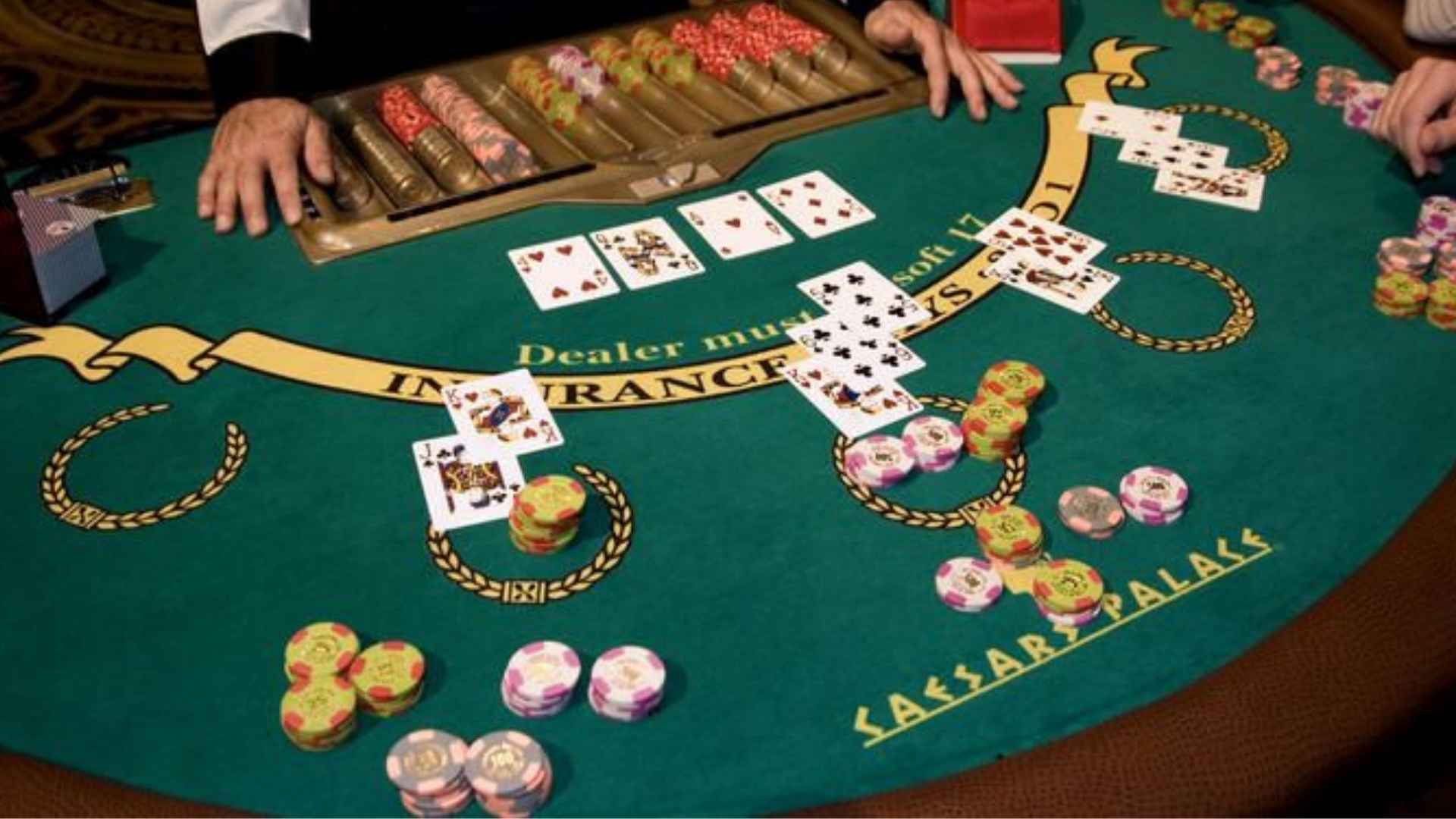
Mastering the art of move selection is one of the most critical factors that separates casual gamers from highly competitive players. Every action taken on the board or digital arena creates a ripple effect that directly influences the final outcome. Developing a systematic approach to evaluating options allows individuals to minimize mistakes and capitalize on tactical advantages.
Analyzing Board States and Spatial Control
Before executing any action, players must thoroughly evaluate the current configuration of the playing field. Understanding spatial relationships helps in identifying which areas offer the highest strategic value and potential for growth. Taking a moment to assess positional strengths prevents impulsive decisions that could lead to sudden vulnerabilities.
Effective board analysis also involves anticipating how open spaces can be leveraged in future turns. By prioritizing areas that grant greater maneuverability, players maintain control over the rhythm of the match. Consistently asking what each position yields ensures that every choice serves a clear purpose.
Developing Long-Term Sequence Planning
Selecting the best option requires looking several steps beyond the immediate turn. High-level players construct mental branches of potential outcomes to determine which sequence offers the highest probability of success. This proactive mindset transforms reactive gameplay into a controlled, strategic progression.
When calculating sequences, it is essential to weigh the risk versus reward of aggressive maneuvers against defensive setups. Exploring digital gaming platforms or accessing a boss29 login often reveals how experienced players calculate complex turns under time pressure. Studying these decision patterns helps refine one's internal evaluation process during competitive scenarios.
Evaluating Opponent Responses and Counterplay
Move selection does not occur in a vacuum, as every choice triggers a direct reaction from the opponent. Predicting how an adversary will respond enables players to set subtle traps and limit enemy counter-options. Factoring the opponent's perspective into your decision-making creates a strong tactical advantage.
It is equally crucial to recognize when an opponent is attempting to force a specific reaction. By staying patient and refusing to bite on obvious bait, players retain flexibility and dictate the terms of engagement. Neutralizing opposing threats before launching an offense ensures steady, low-risk progress.
Refining Efficiency Through Post-Game Analysis
Improving decision-making skills requires continuous reflection and deliberate practice over time. Reviewing completed matches allows individuals to identify critical turning points where suboptimal choices were made. Pinpointing these missteps builds awareness and prevents similar errors in future encounters.
Keeping a gaming journal or analyzing video replays helps track patterns in your move selection habits. Over time, this analytical routine sharpens intuition and speeds up reaction times during high-stakes moments. Dedicated reflection remains the most reliable pathway toward achieving long-term strategic mastery.