Table Games That Improve Planning Skills
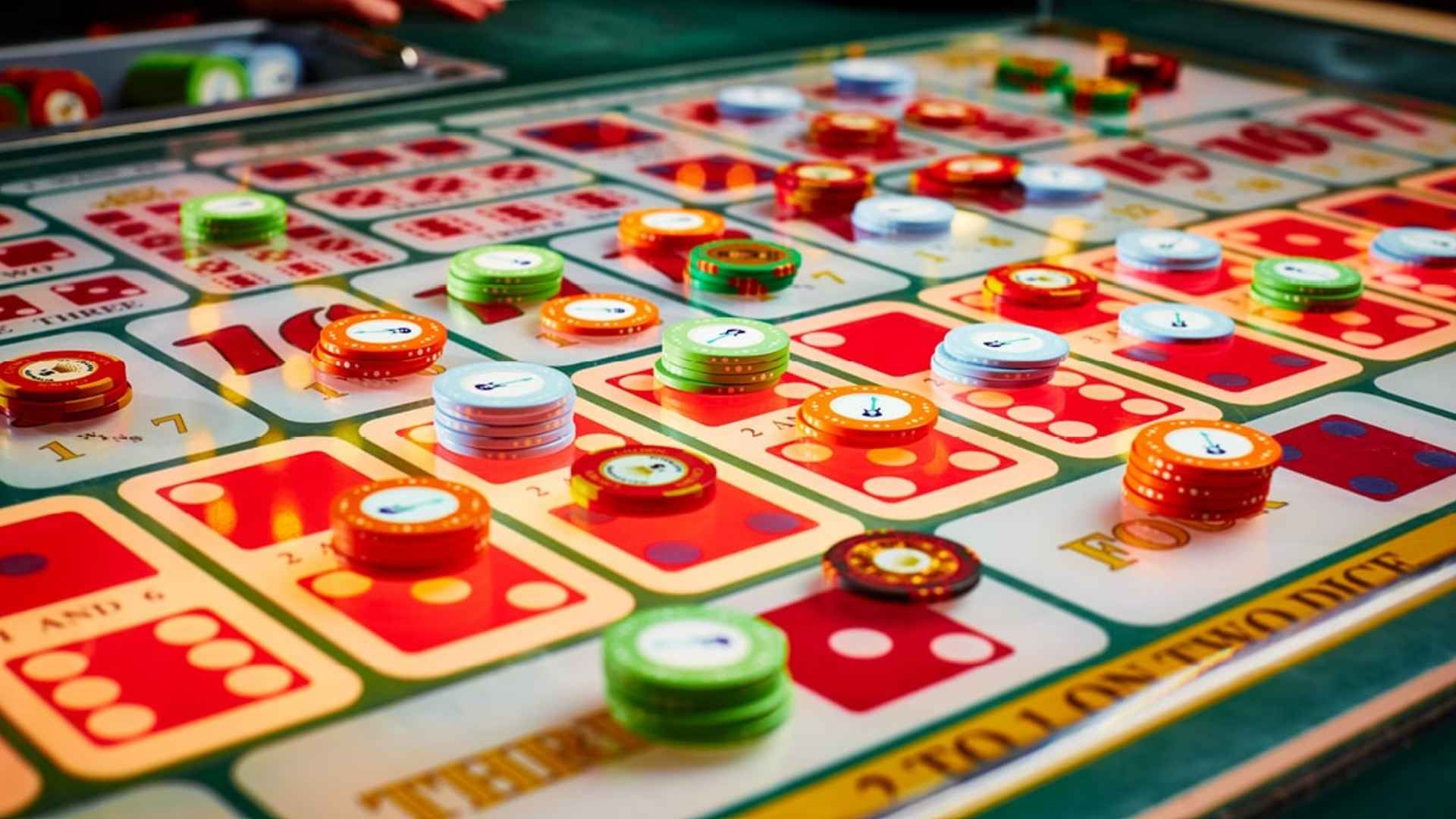
Engaging in tabletop entertainment is more than just a way to pass the time with family and friends. Many of these traditional activities double as mental workouts that encourage players to think several moves ahead. By participating in games that require strategic foresight, individuals can naturally refine their cognitive abilities and daily planning habits.
The Connection Between Gaming and Foresight
When players gather around a table, they are often presented with complex scenarios that cannot be solved with luck alone. To succeed, they must analyze the current state of the board and anticipate how their opponents might react to future moves. This continuous loop of action and reaction helps strengthen the prefrontal cortex, which is responsible for executive functions like decision-making.
As individuals practice these mental exercises, they develop a stronger capacity for structured thinking in real-world scenarios. For those interested in exploring platforms that offer strategic gameplay, checking out Link M88 can provide access to various mind-stimulating environments. Ultimately, the habit of plotting out paths to victory on a game board translates directly into better organizational skills in daily life.
Classic Strategy Games for Executive Function
Chess stands as one of the most prominent examples of an analog game that demands deep tactical preparation. Every single piece has unique movement limitations, forcing participants to calculate multiple branching scenarios before making a move. This strict requirement to visualize future outcomes makes it an exceptional tool for building patience and analytical depth.
Similarly, modern board games with resource-management mechanics offer excellent practice for long-term goal setting. In these setups, players must budget limited resources and build efficient engines to secure points over time. Balancing immediate needs with long-term objectives teaches players how to prioritize tasks under pressure.
Improving Adaptability in Dynamic Environments
True planning is not just about establishing a single rigid path, but also about adjusting when circumstances inevitably change. Card-based tactical games frequently introduce elements of controlled randomness that disrupt initial strategies. Players must quickly assess the new situation and reformulate their approach without losing sight of their end goal.
This training in cognitive flexibility is highly valuable for managing unpredictable professional or personal projects. By learning to view setbacks as minor puzzles rather than total failures, gamers become much more resilient. Over time, this mental agility fosters a proactive mindset that excels at navigating complex, real-life challenges.